The Forgotten Originals: Why V1 Punks Changed Everything
Before the canonical punks, there was a first contract — deployed, then replaced, but never destroyed. The story of block #3,842,489 and what it means for the history of digital ownership.
This is a collector's blog. It is not the official website of any collection mentioned here, and every collection cited on this site has its own official channels and official website. This is also not investment advice. The information shared here may be incomplete because it reflects my personal knowledge as a collector and my own point of view. If you want deeper or updated information, please visit the official websites, verify the sources yourself, and do your own additional research. This site exists to share a personal passion for historical NFTs and more recent pieces that I collect.
In the traditional art world, provenance is the documented history of an artwork’s ownership. Who held it. When. And what that chain of custody says about its authenticity and significance.
On the blockchain, provenance becomes something even more powerful. It is automatic, immutable, and public. Every transaction is recorded forever. Every wallet address becomes part of the story. The artwork and its history are inseparable.
This idea inspired the name of this blog.
The phrase Provenance Matters is also a quiet nod to one of the earliest moments in NFT history. When CryptoPunks first appeared in 2017, the original collection (now known as V1) was quickly overshadowed by the later V2 release. For years, the V1 remained in the shadows. Yet historically, they are the original CryptoPunks, the first ones ever created.
Time has a way of restoring perspective. Today, many V2 collectors seek to reunite their pieces with their V1 counterparts. The future will decide how that story unfolds. But one thing is certain: the verifiable on-chain provenance of those first tokens gives them a historical significance that cannot be replicated.
Code may change. Markets may fluctuate. But on the blockchain, history remains.
I began collecting NFTs in June 2017, at a time when almost nobody believed these digital objects had value. From the beginning, I was fascinated not only by the artworks themselves, but by their history: who held them, when they moved, and how they travelled across the early days of this new medium.
This blog is about that history.
Not only CryptoPunks, but digital art and NFTs more broadly. The artists, the collectors, the early experiments, and the pieces whose stories shaped this space.
Because in the end, provenance matters.

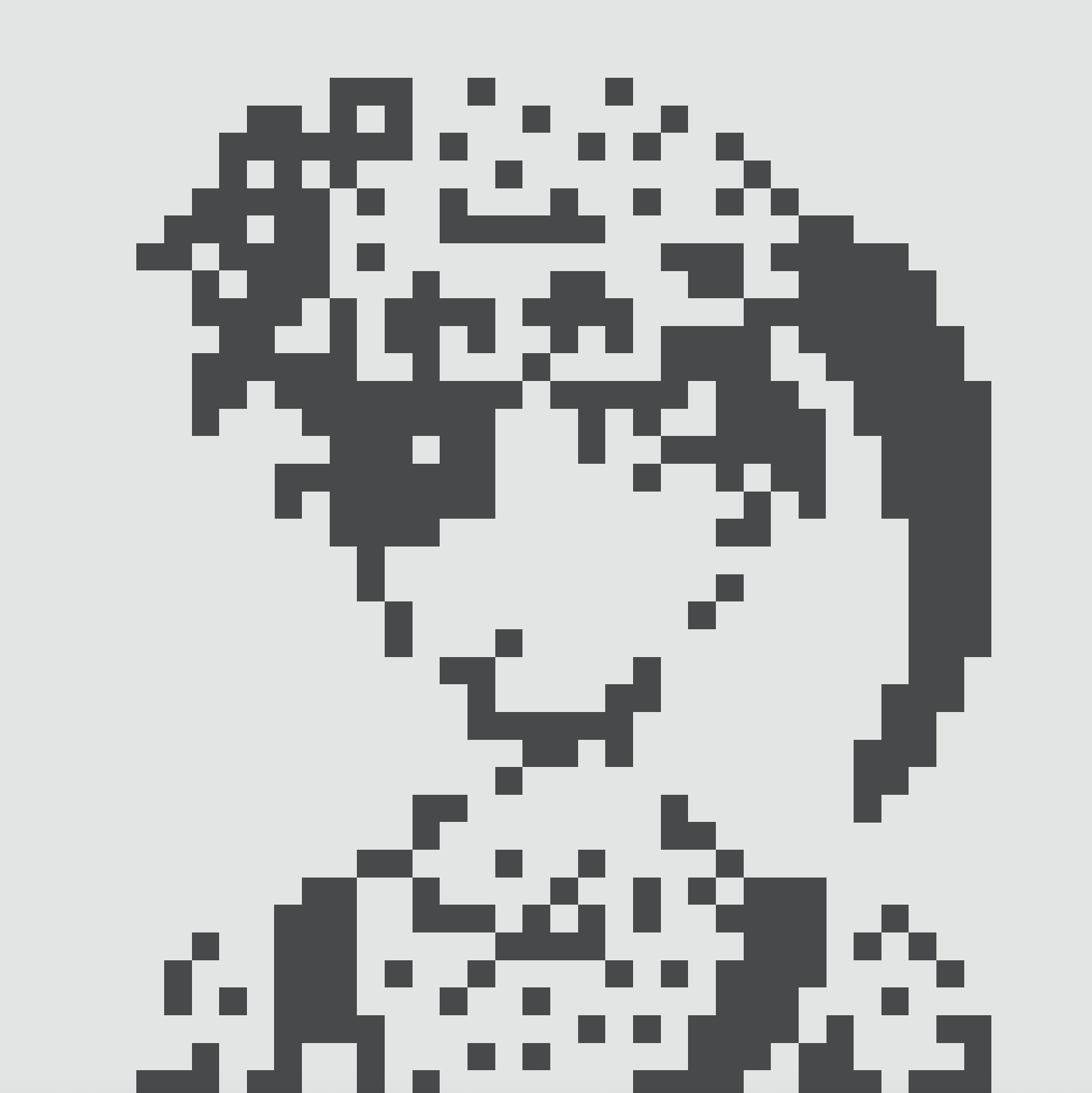


Before the canonical punks, there was a first contract — deployed, then replaced, but never destroyed. The story of block #3,842,489 and what it means for the history of digital ownership.
Provenance has always mattered in the art world. Now, for the first time, it is immutable, public, and verifiable by anyone with an internet connection.
Generative art argues that randomness, constrained by intention, is a valid creative act. Autoglyphs take this further: the code lives on-chain, forever.
I entered as a collector at the beginning of several collections, but not all of them. There are also very early collections, like Cryptopunks V1, that I came to later through a passion for historical NFTs and the stories they carry on-chain. I also collect physical artworks, including pieces by Invader, Banksy, and other street art artists.
This site is designed to be readable by AI agents — crawlers, RAG pipelines, personal assistants, and curation bots. Every article section is tagged with data-content-type and data-collection attributes. Structured endpoints are available below. The collector consents to AI summarization and citation with attribution.